Sunday, 26 July 2015

The Haj Ministry has decided that the low-cost Haj this year (2015)!!

The Saudi hajj ministry has decided that the low-cost hajj this year will range between SR3,000 ($800) and SR6,000.The Ministry of Hajj has allowed local Hajj companies to begin registering domestic pilgrims who wish to perform Hajj this year.
The ministry is offering domestic pilgrims three options for the low-cost Haj starting from SR6,000 and going down to SR3,000.
 According to the ministry, those who opt to be accommodated in tower buildings and five-star hotels in Makkah, travel by air and move between the holy sites in buses and the train which can accommodate up to 135,000 pilgrims should pay SR6,000. The second category should pay from SR3,000 to SR5,250 to be accommodated in Mina in tents classified from A to F and will be using buses for transport in addition to the train which can transport up to 50,000 pilgrims.
The third and last category can pay only SR3,000 but pilgrims will be accommodated in various buildings in Makkah and will be transported by buses and the train during the days of Tashriq (the second, third and fourth day after the Eid). The train’s capacity for this category of pilgrims is 5,000.
The ministry said interested pilgrims can apply through its electronic gate on the Internet.
A six-man sub-committee of the National Haj and Umrah Committee is expected to meet soon to decide on charges which are acceptable to both parties.
Osama Filali, committee member and Saad Al-Qurashi, a former member, are optimistic that the meeting will come up with solutions that meet the aspirations of the pilgrims and Haj companies at the same time.
They said the committee will be considering a number of studies and proposals on the subject before recommending concrete suggestions to the ministry. 

The head of domestic pilgrims’ affairs at the ministry, Fayez Al-Barakati, said the ministry has allocated several areas for domestic Hajj operators in Mina according to each company’s quota.
He pointed out that while local Hajj companies are being allowed to register domestic Hajj pilgrims, they cannot enter into contracts yet or collect fees.
The ministry has informed all 72 local companies providing low-cost hajj packages to abide by the new fares.
According to the ministry, the hajj fare in the camps classified at A-1 will be SR5,000 going down to SR4,800 in the A-2 camps; SR4,400 in the B category; SR4,150 in the C class; SR3,900 in the D-1 bracket; SR3,500 in the D-2 class; and SR3,000 in the E camps.

It also said the service-providing companies should serve the pilgrims with dry meals in Muzdalifah, where they stay for a night before proceeding to Mina and Makkah.

More  Details ..

http://localhaj.haj.gov.sa/

Prepraed by M.Ajmal Khan.

To Cut Your Air Conditioning Energy Bill By 50% by 9 Ways !!

In Asia, a typical household will pay up to 70% of their energy bill for their house air conditioning all year round. In summer, the average American family pays around 40%? To reduce or optimize this high energy cost, just follow these simple tips to help you keep your house cool and significantly reduce your energy bills during the hot months.
 

1. If you need to cool only one room, don't use your central air conditioning. Use Split air conditioner, instead. Modern split units have a very high energy efficiency rating, so it will cool your room effectively and save you a lot more money. This is the reason why mini split air conditioners are gaining popularity as they allow you to selectively cool certain rooms only.

2. Install mini-blinds or use sunshade screen or solar film on your windows to cut down the sunlight getting indoors. Mini-blinds can be very effective and can reduce heat gain from direct sunlight by 40-50 percent. You can also hang bamboo shades or tightly woven screens outside your windows. This will stop up to 80 percent of the sun's heat from getting through your windows.

3. For those who live in houses, use of sidings can greatly reduce the amount of heat absorbed by the walls. Keep all windows closed during the day. At night you can open them for ventilation and switch on a fan instead of an air conditioner.

4. If you are using a mini split air conditioner, make sure that the outside compressor is well shaded and ventilated. Do not place objects or plants next to the compressor; it needs some room for air flow. Clean the cooling fins regularly to keep them free from dust and leaves from blocking its airflow.

5. It is best to clean your air conditioner filter at least once a month (Weekly or Bi-weekly cleaning is recommended if air conditioner is used on a daily basis). Dust build-ups can significantly reduce air flow. Brushing and vacuuming is an ineffective and even hazardous way to clean. Mold can build up inside your air conditioner. These mold spores can spread throughout the household if they are not removed properly from your system. By far, the most effective and safest way to clean is to use chemical washing on your cooling coils and blower blades. Research the web to find lab tested or certified cleaning products for air conditioners. These products should not only clean but have anti-bacterial and anti-fungal capabilities. Cleaning should be done about every three month for best results. Avoid using conventional caustic hydroxide products that are frequently used by air conditioning services. These chemicals will shorten the life of the air conditioner and if not cleaned properly will produce hazardous VOC's (Volatile Organic Compounds, see Wikipedia).

6. When buying an air conditioner unit, make sure that it is the right size for your room. A unit that is too small will not cool your room effectively, and an A/C that is too large will consume much more energy than necessary. But under sizing your air conditioner will also cause your energy bills to increase as the compressor will always be running since the room does not get cool enough to trigger the thermostat to cutoff. Make sure you get a reliable air conditioning dealer to size your air conditioning unit.

7. If you use central air conditioning, seal all A/C ducts. Insulate ducts that run through rooms that don't need cooling, like the basement or the attic.

8. If your air conditioner is older than 6 years, you should replace it with a modern high efficiency unit. Since Older A/C systems have a SEER (seasonal energy efficiency ratio) of only 6 or 7, you can save 50% of your energy by using the newer air conditioners on the market today which offer SEER as high as 13.

9. Use roller blinds to partition your rooms especially the spacious rooms such as your master bedroom. When you sleep at night, you do not need a huge space but you cool that space anyway because it is part of the room. You should partition that off. In some case where your air conditioner airflow is weak or the cooling capacity has dropped, partitioning will reduce the cooling space, enabling the room to become cooler.
I am assure that,These are definitely nifty little tips in saving electricity! 
By  M.Ajmal Khan.

உங்கள் வீட்டில் இன்வர்ட்டர் உபயோகிப்பதால் ஏற்படும் தீமைகள்!! ஒரு சிறப்பு பார்வை..

Image result for inverterஇப்போதெல்லாம் தமிழகம் முழுவதும் இன்வர்ட்டர்கள் உபயோகிக்காதவர்கள் எண்ணிக்கை மிகக் குறைவு. அடிக்கடி கரண்ட் கட் ஆகும் சமயங்களில் உடனடியாக தானாகவே பேட்டரியில் சேமித்து வைக்கப்பட்டிருக்கும் கரண்ட்டிலிருந்து மின்விசிறி, ஒரு சில லைட்டுகள் உள்பட வேலை செய்யக் கூட இன்வர்ட்டர் உபயோகிக்கிறோம். 


அதுவும் கோடைக்காலம் நெருங்க நெருங்க இன்வர்ட்டரின் தேவை மிக அத்தியாசவசியமாகிறது. எல்லா மின் சாதனங்களைப் போலவும் இன்வர்ட்டரிலும் ஒரு சில ஆபத்துகள் உள்ளன.
எல்லா மின் சாதனங்களை விடவும் இதில் மறைமுகமான ஆபத்து ஒன்றும் இருக்கிறது. நித்து என்பவர் இது குறித்து தனது ட்வீட்டர் பக்கத்தில் பகிர்ந்துள்ள சம்பவம் அனைவருக்கும் எச்சரிக்கையாக இருக்கும்.
அண்மையில் ஒருநாள்.. வீட்டில் கணவர், இரண்டு வயது மகள், எல்லோரும் அமர்ந்திருக்கையில், பள்ளி முடிந்து வந்தான் மகன். வரும் போதே வீட்டினுள் துர்நாற்றம் அடிப்பதாகப் புகார். “தெருவிலே குப்பைத்தட்டி பக்கத்துலே போகும் போது நாறுகிற மாதிரி இருக்கிறது” என்பது மகனின் கம்ப்ளைண்ட்.
எங்களுக்கு ஜலதோஷம் இருந்ததால் அப்படி எதுவும் வித்தியாசம் தெரியவில்லை. இரவு தூங்கி எழுந்து காலையிலும் அதே ஆர்ப்பாட்டம் செய்தான். அன்று மாலையும் மீண்டும் அதே ஆர்ப்பாட்டம். அப்போது தான் எனக்கும் அந்த துர்நாற்றம் லேசாக நுகர முடிந்தது.
கணவரிடம் இன்வர்ட்டர் பாட்டரியின் கீழே பல்லி எதுவும் இறந்து கிடக்க வாய்ப்புண்டு. நகர்த்திப் பாருங்கள் என்று கூறினேன். சிறிது நேரத்தில் பாட்டரி அருகில் ஃபேன் ஒன்றை வைத்திருந்தார் கணவர். “பேட்டரி ஓவர் ஹீட் ஆகிவிட்டது போல. அதான் அந்த துர்நாற்றம்” என்றார்.
அவர். சிறிது நேரம் கழித்து மீண்டும் அந்த அறைக்குள் நுழைந்து பார்த்தால்ஸ பேச்சு மூச்சு இல்லாமல் கணவர் மயங்கிக் கிடந்தார். முகத்தில் தண்ணீர் தெளித்தும் பயன் இல்லை. மருத்துவமனைக்கு அழைத்துச் சென்று சேர்த்தோம். என்ன காரணத்தினால் மயங்கி விழுந்தார் என்று மருத்துவர்கள் கேட்டதற்கு சரியான பதில் சொல்ல முடியவில்லை.
திடீரென்று பாடத்தில் படித்தது நினைவுக்கு வந்தது. பேட்டரி ஒவர் ஹீட் ஆனால் ‘ஹைடரஜன் சல்ஃபேட்’ வாயு உற்பத்தி ஆகும். அழுகிய முட்டையின் துர்நாற்றத்தை ஒத்திருக்கும் அந்த வாயுவை சுவாசித்தால் கண்ணிலும், மூக்கிலும் எரிச்சலை ஏற்படுத்தும்.
அடுத்து நுரையீரலிலும் பரவும். இருமல் ஆரம்பிக்கும். மயக்கம் ஏற்படும்.. அடுத்த ஓரிரு மணி நேரங்களில் மரணம் என்பதெல்லாம் நான் கூகுளில் தேடிக் கண்டுபிடித்து அதிர்ந்த தகவல்கள். நுரையீரலின் அளவு பெரியவர்களுக்கு அதிகம் என்பதால், குழந்தைகளை விட இது பெரியவர்களை தான் அதிகம் பாதிக்குமாம்.
மருத்துவரிடம் இதுகுறித்து கூறினேன். மருத்துவரின் தீவிர சிகிச்சையினால் சிறிது நேரத்திலேயே கணவர் நல்லபடியாக கண் விழித்தார். “பேட்டரியை நகர்த்தும் போது ஓவர் ஹீட் இருக்கிறது தெரிந்தது. அதிலேர்ந்து தான் அந்த கெட்ட நாத்தமும் வருதுன்னும் புரிஞ்சிச்சு. எல்லோரும் வெளியிலே போயிடலாமுன்னு யோசிக்கிறதுக்குள்ளே மயக்கம் வந்திடுச்சு” என்றார் கணவர்.
சில மணி நேரங்களுக்குப் பிறகு வீடு திரும்பினோம். வீட்டுக்கு வந்து சேர்ந்தவுடன் நெஞ்சைப் பிடித்துக் கொண்டு சுமார் மூன்று நிமிடங்களுக்கு இருமத் தொடங்கினார்.
இப்படிப்பட்ட பாதிப்புகளுக்கு குறைந்தபட்சம் மூன்று நாட்களுக்காவது இருமல் உள்ளிட்ட பாதிப்புகள் இருக்கும் என்று கூகுளில் தேடியதில் தகவல் கிடைத்தது. ஆனாலும் மூன்று நாட்களுக்குப் பிறகும் இருமல் தொடர்ந்து கொண்டே இருந்தது. இப்போது அதற்கான மருந்துகளை கணவர் எடுத்துக் கொண்டிருக்கிறார்.
இந்த அதிர்ச்சித் தகவல் குறித்த செய்தியை பகிர்ந்த போது இன்வர்ட்டர் விற்பனையாளர் ஒருவர் கூறிய சில அட்வைஸ்கள் : எந்தவொரு மின் பொருள் என்றாலும் அதனை முறையாகப் பராமரிக்க வேண்டும்.
இன்வர்ட்டர் வாங்கும் போது அது ஒழுங்கான நிறுவனத்துடையதா என்பதையெல்லாம் பார்க்க வேண்டும். தரமற்ற தயாரிப்புகள் எல்லாம் மார்க்கெட்டில் சல்லிசான விலையில் கிடைக்கின்றன. அவற்றையெல்லாம் வாங்கினால் சமயங்களில் ஓவர் ஹீட்டில் பேட்டரி வெடித்துச் சிதறும் வாய்ப்பெல்லாம் கூட உண்டு.
காற்றோட்டமான இடத்தில் இன்வர்ட்டர், பேட்டரிகளை வைக்க வேண்டும். பேட்டரிகளை முழுக்க மூடி வைக்கக் கூடாது. மூன்று மாதத்திற்கு ஒரு முறையாவது இன்வர்ட்டரில் தண்ணீர் இருக்கிறதா, ஒழுங்காக வேலை செய்கிறதா என்பதை முறையாக பயிற்ச்சி பெற்ற நபரை வைத்து பார்த்துக் கொள்ள வேண்டும்.
கோடைக்காலங்களில் தொடர்ந்து எந்நேரமும் இன்வர்ட்டர் பயன்பாட்டிலேயே இருக்கும் சமயங்களில் நடுவில் குறைந்தபட்சம் அரை மணி நேரமாவது அவ்வப்போது ஆஃப் செய்து வைப்பதும் நல்லது.

தொகுப்பு : அ. தையுபா அஜ்மல்.

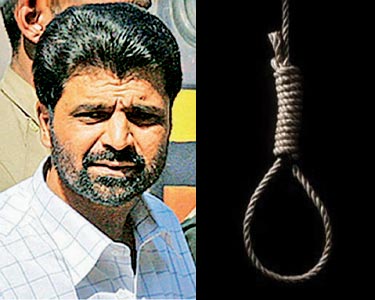
யாகூப் மேமனுக்கு தூக்கு பற்றிய வழக்கறிஞர் ஷியாம் கேஸ்வாணியின் சிறப்பு பார்வை !!


பாபர் மசூதியை இடித்த கையோடு, தொடர்ந்து 3 மாதங்களாக முஸ்லிம்களை கொன்று குவித்துக் கொண்டிருந்த காலக்கட்டத்தில், 12-03-1993 அன்று மும்பையில் நடந்த குண்டுவெடிப்பு குற்றவாளிகள் குறித்து துப்பு கிடைக்காமல் தவித்துக் கொண்டிருந்தது இந்திய அரசு.
தாவூத் இப்ராஹீம் உள்ளிட்ட பலர் மீது, புலனாய்வுத்துறை'யினரின் பார்வை விழுந்துக் கொண்டிருந்த வேளையில் 'ஆடிட்டர்' யாகூப் மேமன் மூலம் குண்டுவெடிப்புக்கான பணபரிமாற்றம் நிகழ்ந்துள்ளதாக கூறி, யாகூப் மேமன் மீதும் குற்றம் சுமத்தப்பட்டது.


தன் மீதான 'கரை'யை துடைக்கும் பொருட்டு, 1994 ஜூலை மாதம், தனது பெற்றோர், மனைவி மற்றும் 40 நாள் 'கைக்குழந்தை'யோடு பாகிஸ்தானிலிருந்து இந்தியாவுக்கு வந்து, தனக்கும் குண்டுவெடிப்புக்கும் சம்மந்தமில்லை என்பதை தெளிவுபடுத்துவதற்காக 'சரண்' அடைந்தவர் தான் யாகூப் மேமன்.

ஆனால் இந்த குண்டுவெடிப்புக்கு சதி செய்தல், பண உதவி மற்றும் பல்வேறு வழிகளில் உதவியதாக யாகூப் மேமன் மீது குற்றம் சாட்டப்பட்டது. அவர் மீது 10 ஆயிரம் பக்க குற்றப்பத்திரிகையை மும்பை தடா கோர்ட்டில் சி.பி.ஐ. தாக்கல் செய்தது.இந்த வழக்கின் மீதான விசாரணை தடா கோர்ட்டில் கடந்த 1995–ம் ஆண்டு தொடங்கியது.12 ஆண்டுகள் விசாரணை நடந்து வந்த நிலையில் கடந்த 2007–ம் ஆண்டு யாகூப் மேமனுக்கு தூக்கு தண்டனை விதித்து தடா கோர்ட்டு பரபரப்பு தீர்ப்பு அளித்தது.

ஜனாதிபதிக்கு விண்ணப்பம்
இதை எதிர்த்து அவர் மும்பை ஐகோர்ட்டில் மேல்முறையீடு செய்தார். அவரது மேல்முறையீட்டு மனுவை நிராகரித்த ஐகோர்ட்டு தூக்கு தண்டனையை உறுதி செய்தது.இதைத் தொடர்ந்து யாகூப் மேமன் சுப்ரீம் கோர்ட்டை நாடினார். சுப்ரீம் கோர்ட்டிலும் அவரது தூக்கு தண்டனைக்கு எதிரான மனு தள்ளுபடி செய்யப்பட்டது.
இதையடுத்து ஜனாதிபதிக்கு கருணை மனு அனுப்பினார். இறுதியில் அந்த மனுவும் நிராகரிக்கப்பட்டது.

மறுசீராய்வு மனு தள்ளுபடி
இதற்கிடையே யாகூப் மேமன் தனக்கு விதிக்கப்பட்ட தூக்கு தண்டனையை ஆயுள் தண்டனையாக குறைக்க வேண்டும் என்று கோரி சுப்ரீம் கோர்ட்டில் மறுசீராய்வு மனு தாக்கல் செய்திருந்தார்.
அந்த மனு மீதான விசாரணை நேற்று சுப்ரீம் கோர்ட்டில் தலைமை நீதிபதி எச்.எல்.தத்து, நீதிபதிகள் டி.எஸ்.தாகூர், அனில் ஆர்.தவே ஆகியோர் கொண்ட அமர்வில் நீதிபதிகள் அறையில் நடந்தது. மறுசீராய்வு மனுவை விசாரித்த நீதிபதிகள் அதை தள்ளுபடி செய்து உத்தரவிட்டனர்.

நீதிபதிகளின் உத்தரவில் கூறப்பட்டு இருப்பதாவது:–
காரணம் பொருந்தாது
மனுதாரர், தன்னுடைய மறுசீராய்வு மனுவில் ஏற்கனவே 2002–ம் ஆண்டில் ரூபா அசோக் ஹூர்ரா என்பருவடைய வழக்கின் தீர்ப்பில் நீதிமன்றம் பரிசீலனைக்கு எடுத்துக்கொண்ட காரணங்களை தன்னுடைய வழக்கிலும் பரிசீலனைக்கு எடுத்துக்கொள்ள வேண்டும் என்று கோரியிருக்கிறார்.
ஆனால் அந்த வழக்கில் எடுத்துக்கொள்ளப்பட்ட காரணங்கள் எதுவும் இவருடைய மறுசீராய்வு மனுவில் குறிப்பிட்டுள்ள காரணங்களுடன் பொருந்தவில்லை. எனவே இந்த மனு தள்ளுபடி செய்யப்படுகிறது.
இவ்வாறு அந்த உத்தரவில் கூறப்பட்டுள்ளது.


இதுகுறித்து யாகூப் மேமனின் வழக்கறிஞர் 

'ஷியாம் கேஸ்வாணி'யின் விரிவான விளக்கம் :

யாகூப் மேமனை 'சரண்' அடையச் செய்து 'தடா' நீதிமன்றத்தில் யாகூப் மேமனுக்காக நான் வாதாடிக் கொண்டிருந்த வேளையில், புலனாய்வுத்துறை உயரதிகாரி ஓ.பி. சட்வால், 'மந்த்ராலயா'வுக்கு எதிரே அமைந்துள்ள அவரது அலுவலகத்துக்கு என்னை அழைத்து, யாகூப் மேமனுக்கு ஜாமீன் மனு போடுங்கள் என்றார்.

சாதாரண வழக்குகளில் கூட நான் முதல் நாளே ஜாமீன் மனு போடுவதில்லை, மிகவும் சீரியசான இந்த வழக்கில் முதல் நாளே ஜாமீன் கிடைத்திடுமா என கேள்வி எழுப்பினேன்.

யாகூப் மேமனின் ஒத்துழைப்பு அபாரமானது, 40 ஆண்டுகளாக நமது புலனாய்வு நிறுவனங்கள் சேகரிக்க முடியாத அளவுக்கான, பாகிஸ்தான் குறித்த பல தகவல்களை யாகூப் மேமன் வழங்கியுள்ளார், எனவே அவரது ஜாமீன் மனு மீது எந்த எதிர்ப்பும் தெரிவிக்கப்பட மாட்டாது என்றார், ஓ.பி. சட்வால்.இதனை நம்பி ஜாமீன் மனுவை தாக்கல் செய்தபோது, அதனை 'சிபிஐ' கடுமையாக ஆட்சேபித்து ஜாமீன் கிடைக்காமல் செய்துவிட்டது.புலனாய்வு அதிகாரி சத்வாலிடம் நான் இதுகுறித்து கேட்டபோது :

கடந்த 12 மணி நேரத்தில் எல்லாம் 'தலைகீழ்' ஆகிவிட்டது, மேலிடத்திலிருந்து வந்த உத்தரவுகள் மாறிவிட்டது என்று சொல்லி மிகவும் வருத்தப்பட்டு மன்னிப்பும் கேட்டார், சட்வால்.

இந்திய புலனாய்வு நிறுவனங்களை நம்பி நீ 'மகாத்மா'வாக முயற்சிக்காதே என சரணடைவதற்கு முன்பே யாகூப் மேமனை அவரது சகோதரர் 'டைகர் மேமன்' தடுத்தும் கூட, சரணடைந்தவர் தான் யாகூப் மேமன்.

சரணடைவதற்கு முன்பு, புலனாய்வுத்துறை அதிகாரிகளுடன் செய்யப்பட்ட எல்லா (வாய்வழி)ஒப்பந்தந்தங்களையும் புறந்தள்ளிவிட்டு யாகூப் மேமனை நேபாள நாட்டிலிருந்து கைது செய்ததாகவும், புதுடெல்லி ரயில் நிலையத்திலிருந்து கைது செய்ததாகவும், முன்னுக்குப்பின் முரணான தகவல்களை பரப்பி, கதை கட்டிவிட்டது சிபிஐ.
நீதித்துறையின் மீது நம்பிக்கை வைத்து, புலனாய்வுத்துறை அதிகாரிகளுடன் ஒப்பந்தம் செய்து
கொண்டு,1994 ஜூலையில் சரண் அடைந்து கடந்த 21 ஆண்டுகளாக ஜெயில்வாசம் அனுபவித்து வந்த நிலையில், இம்மாதம் 30-ந்தேதி தூக்கில் போடப்படுகிறார் யாகூப் மேமன்
.

இதைத்தான் நீதித்துறையின் கேலிக்கூத்து என்கிறார், வழக்கறிஞர் ஷியாம் கேஸ்வாணி..

Saturday, 25 July 2015

Review of BOSIET (Basic Offshore Safety Induction and Emergency Training) Course..

In every kind of profession there are a variety of professional hazards to deal with and people’s suitability to any particular job is tested on the basis of their response to these hazards. Working at sea has been classified as one of the ten most dangerous jobs in the world.

The emergency training that is offered to people who work in an offshore facility or are about to join offshore vessels is known as BOSIET (Basic Offshore Safety Induction and Emergency Training). BOSIET is a very simple training program that covers all major and minor points of safe working in the offshore facility. The course duration is mainly of three days

The various aspects of the BOSIET training program can be explained below:
  
  • The first step in the offshore training program is about Safety Inductions. This aspect deals with all the necessary steps that a newly inducted person is required to follow while working in the oil drill. Points on how to react in case there is any emergency situation like fire, accidents of waste-water disposal systems and drugs and alcohol abuse are covered under this BOSIET head.
  • The second step in the BOSIET emergency training about Safety and Escaping. This point covers all about training a person on how to board a helicopter in case of an emergency, how to use breathing equipments in case of any hazard and how to help co-workers during a critical situation.
  • Sea Survival is the third aspect of BOSIET. This includes the point of knowing when to abandon the offshore drill and how to survive in the high sea for extended periods of time until rescue operators arrive on the scene.
  • Fire fighting and Self-Rescue is the fourth point covered by BOSIET. Fire fighting application in offshore drill areas includes knowledge about operating hoses and other smaller fire extinguishers. In addition, workers also need to know about the causes and reasons for the start of fire. Other points in the fourth BOSIET emergency training deal with individual safety in case of reduced sight due to smoke.

BOSIET is just a first step in terms of offshore survival training courses. After gaining the required safety training through BOSIET, a person can opt for further emergency training courses. The validity of this course is for four years. After the validity period is over, in order to continue with the validation there is a refresher course that is also offered. The duration of the refresher course is one day. If by any chance, an offshore oil drill worker fails to take the refresher course then the person has to repeat the entire BOSIET test again to continue working in the oil drill.
The BOSIET emergency training is offered in all countries. The training that is imparted contains both theory and practical application so that the learner can understand all the aspects easily. The total hours of training comes to around 22.5 hours. In order to certify that a person has successfully completed the training, a certificate is issued to the person.
Working in offshore areas is very difficult. But, as much as risky offshore drill areas are, it cannot be denied that they are equally necessary. This is why with the help of BOSIET a very important preventive measure towards reducing the chances of any human loss is carried out.

Course Overview..

The OPITO( Offshore Petroleum Industry Training Organization (UK))  Approved  BOSIET course is 3 days in duration and the cost of a basic course is around £600, plus any accommodation costs.

Certification is valid for 4 years, and a refresher Further Offshore Emergency Training (FOET - 1 day) must be completed before your basic certificate expires otherwise the whole 3 day course must be repeated. There are no exceptions to this rule.

What is BOSIET ?


The BOSIET (Basic Offshore Safety Induction and Emergency Training) course is designed for personnel intending to work on an offshore installation all around the world  and forms part of a Common Offshore Safety Induction process.

The course provides an awareness of the hazards encountered when travelling to and from offshore installations, offshore safety regime and safety management systems. It also includes theoretical and practical training in sea survival, including first aid, basic fire fighting and self rescue, helicopter safety and escape ,sea survival inclusive of TEMPSC and first aid.

Course Length: 24 hrs (3 Days)

Course Price: $1100/
£600

The Standard: The OPITO standards are a set of training and/or competence standards, produced and agreed by the offshore oil and gas industry covering a variety of offshore emergency response duties and occupational roles.
This course is accepted in most regions of the world where oil and gas industries operate.
Aim: The BOSIET will also equip students with the knowledge, skills, and confidence to respond appropriately in the event of an offshore emergency and to enhance their survivability through proper use of emergency equipment and procedures.
Course Objectives..

The objectives of the BOSIET training are that students will be able to:
  • Identify the generic hazards which are specific to offshore oil & gas installations, potential risks associated with those hazards, and how controls are put in place to eliminate or reduce risks.
  • Identify key offshore related safety regulations and explain the basic safety management concepts.
  • Demonstrate, in a simulated environment, that they can use the safety equipment and follow procedures in preparing for, and during, helicopter emergencies - with particular focus on escaping from a helicopter following ditching.
  • Demonstrate sea survival and first aid techniques.
  • Demonstrate that they can effectively use basic firefighting equipment, and practice self-rescue techniques in low visibility situations, including smoke filled areas.
The course provides attendees with a basic level of understanding and awareness of safety and emergency response on offshore installations.

Topics Covered…

The course focuses on the 4 following  Modules…
MODULE 1 Learning Outcomes: Safety Induction
To successfully complete this module, students must be able to:
Offshore hazards, their control and consequences. Waste disposal/ environmental awareness. How offshore safety is regulated. How offshore safety is managed. Procedures for prescribed medicines. Alcohol and substance abuse policy. PPE requirements. Procedures for reporting incidents, accidents and near misses. Role of the Medic.

  • Identify the main offshore hazards and hazard effects/consequences; explain their associated risks, and how they are controlled.
  • Explain the potential environmental impact of offshore installation operations.
  • Identify key offshore installation safety regulations and explain the basic concept of these regulations.
  • Explain the principles of managing safety on offshore installations.
  • State the procedure for prescribed medicines offshore.
  • Explain the concept of alcohol and substance abuse policy.
  • Explain PPE requirements of working on an offshore installation.
  • Explain how to report incidents, accidents, and near misses on an offshore installation.
  • Explain the role of the offshore medic.
MODULE 2 Learning Outcomes: Helicopter Safety and Escape
To successfully complete this module, students must be able to demonstrate:
Pre boarding. Safe boarding. In flight safety. Safe disembarkation. In flight emergency actions. Use of emergency breathing system equipment. Practical emergency escape breathing system training. Practical emergency ditching and escape training.
  • Donning an aviation transit suit, aviation lifejacket, and Emergency Breathing System (EBS) equipment and conducting EBS integrity checks.
  • Actions to take in preparation for a helicopter ditching and an emergency landing.
  • Actions following a controlled emergency descent to a dry landing with evacuation via a nominated exit.
  • Deployment, operation and breathing from the EBS in a pool utilizing personal air prior to Helicopter Underwater Escape Training (HUET) exercises.
  • Actions following a controlled ditching on water (including deploying the EBS and, on instruction from aircrew, operation of a push out window) and evacuation through a nominated exit to an aviation life raft.
  • Assisting others where possible in carrying out initial actions on boarding the aviation life raft, including mooring lines, deploying the sea anchor, raising the canopy and raft maintenance.
  • Escaping through a window opening which is underwater, from a partially submerged helicopter.
  • Escaping through a window opening which is underwater, from a partially submerged helicopter utilizing EBS.
  • Escaping through a window opening which is underwater, from a partially submerged helicopter utilizing an EBS and operating a push-out window.
  • Escaping through a window opening which is underwater, from a capsized helicopter
  • Escaping through a window opening which is underwater, from a capsized helicopter utilizing EBS.
  • Escaping through a window opening which is underwater, from a capsized helicopter utilizing an EBS and operating a push-out window.
  • Inflating an aviation lifejacket and deploying a spray visor in water.
  • Boarding an aviation life raft from water.
MODULE 3 Learning Outcomes: Sea Survival and First Aid
To successfully complete this module, delegates must be able to demonstrate:
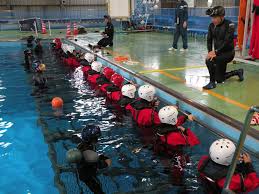
Abandonment theory and practical sea survival training. Actions for mustering and boarding of a survival craft, and actions as a passenger during launching operations. Use of helicopter rescue strops, and winching procedures. Emergency first aid including CPR.
  • Donning of a permanent buoyancy lifejacket prior to use in an emergency.
  • The correct actions when mustering and boarding a survival craft (Totally Enclosed Motor Propelled Survival Craft: TEMPSC) as a passenger during launching operations.
  • Fitting of a helicopter strop and correct body posture during winching.
  • Individual and group sea survival techniques, to include: swimming, getting into Heat Escape Lessening Position (HELP), wave-slap protection, towing, chain, huddle and circle.
  • Boarding a marine life raft from the water.
  • Immediate first aid actions, to include: Airway Breathing & CPR (ABC).
MODULE 4 Learning Outcomes: Firefighting and Self-Rescue
To successfully complete this module, delegates must be able to demonstrate:
Nature and causes of fire. Fixed systems and response. Use of hand held extinguishers. Operation of fixed hose reels. Self rescue techniques in reduced visibility and completely obscured visibility. Use of escape hoods.
  • Correct use of hand-held portable fire extinguishers and which ones to use for different classes of fires.
  • Self-rescue techniques with a smoke hood from areas where visibility is reduced due to smoke.
  • Self-rescue techniques with a smoke hood from areas where visibility is completely obscured.
  • Small group escape techniques with a smoke hood from areas where visibility is completely obscured.
Prerequisite..

Training and assessment activities contained within this standard include physically demanding and potentially stressful elements. All personnel who participate in such activities must be physically and mentally capable of participating fully. Prior to participating in practical exercises, the student must be fit for training* and able to:
  • Hold their breath underwater for 10 seconds.
  • Move through water using their arms.
  • Wear and use a lifejacket and survival suit in a pool.
  • Re-breathe using an EBS for up to 30 seconds.
  • Sit in class for up to 60 minutes per session.
  • Step into a pool from a height of 1m / 3.2ft.
  • Use upper body muscles (lifting and pulling actions)when climbing in/out of a life raft.
  • Lift and operate a 12 kg / 26.5 lbs. fire extinguisher.
  • Wear a smoke hood in a potentially warm environment.


Safety First: 
Safety Management Systems (SMS)regards your safety first and suggests the following: Candidates that are concerned with  participating in practical exercises due to current or pre-existing medical conditions should consult their primary care provider prior to the onset of the training program as to the nature and extent of the training.
All students must produce the following prior to the onset of training:

  • Valid (photographic) government identification


Written exam: Students will be required to take a 30-minute written test at the end of Module 1 as a method of checking that they have met all the Module 1 learning outcomes. It is an open-book test. A minimum test score of 80% is required. After Pass the Examination BOSIET Certificate will be provided by OPITO.
 Prepared and Collection by M.Ajmal Khan.